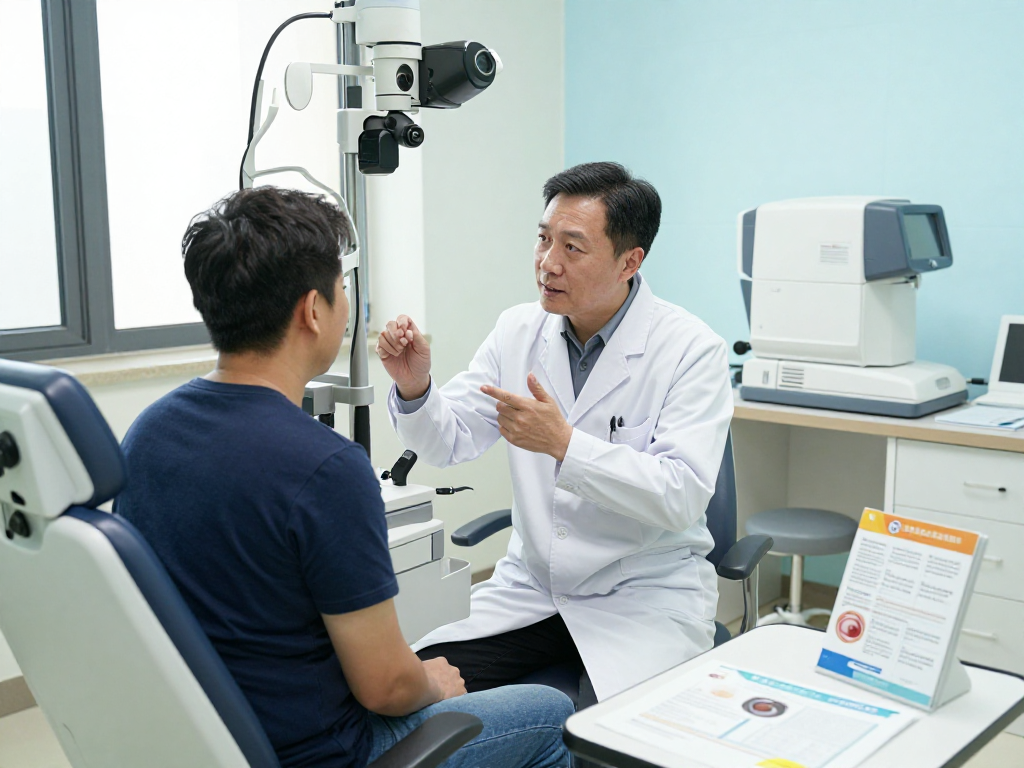
Understanding Ocular Surface Disease
Ocular surface disease (OSD) encompasses a range of conditions affecting the cornea and conjunctiva, leading to discomfort and potential vision impairment. These diseases can arise from various factors, including environmental, autoimmune, and systemic conditions, making their diagnosis and treatment complex. Patients suffering from OSD often experience a decline in their quality of life due to symptoms such as dryness, irritation, and blurred vision. When exploring options, ocular surface disease treatment provides comprehensive insights into managing and alleviating these troubling symptoms effectively.
What is Ocular Surface Disease?
Ocular surface disease is a clinical term used to describe any condition that disrupts the integrity of the eye's surface. This includes disorders affecting tear production, tear film stability, and the overall health of the cornea and conjunctiva. Some common types of ocular surface diseases include dry eye syndrome, allergic conjunctivitis, and keratitis. Each of these conditions can cause significant discomfort and might lead to serious complications if left untreated.
Common Symptoms and Causes
Symptoms of ocular surface disease commonly include:
- Dryness or a burning sensation in the eyes
- Redness and swelling
- Excessive tearing
- Blurred vision
- Discomfort from bright lights
The causes of these symptoms can vary widely. Environmental factors such as pollution, prolonged screen time, and air conditioning can aggravate the symptoms. Additionally, underlying health issues such as autoimmune disorders, hormonal changes, or even side effects from medications can contribute to the development of ocular surface diseases.
Risk Factors and Prevention Strategies
Certain individuals are more susceptible to developing ocular surface diseases. Risk factors include:
- Age - Older adults are more likely to experience dry eye syndrome.
- Gender - Women are more prone to develop OSD, particularly during hormonal changes such as pregnancy or menopause.
- Medical history - Conditions like rheumatoid arthritis or diabetes can increase risk.
- Lifestyle choices - Smoking or excessive alcohol consumption could exacerbate symptoms.
To prevent ocular surface diseases, individuals can adopt strategies such as:
- Regular hydration and maintaining a balanced diet rich in omega-3 fatty acids.
- Implementing regular breaks during screen time to reduce eye strain.
- Using protective eyewear in harsh environments to shield against irritants.
Diagnosis of Ocular Surface Disease
Diagnosing ocular surface disease involves a thorough evaluation by an eye care professional. Accurate diagnosis is crucial for determining the most effective treatment plans.
Comprehensive Eye Examinations
A comprehensive eye exam serves as the first step in diagnosing ocular surface disease. This may include assessments of visual acuity, eye pressure measurement, and a review of the patient's medical and ocular history. The physician will examine the eyes using specialized equipment to evaluate the condition of the cornea and conjunctiva.
Advanced Diagnostic Tools and Techniques
In addition to standard examinations, advanced diagnostic tools play a pivotal role in identifying ocular surface diseases. Techniques such as:
- Fluorescein staining - Helps visualize damage on the corneal surface.
- Tear break-up time (TBUT) - Measures the stability of the tear film.
- Schirmer test - Evaluates tear production.
These tools allow for a more detailed understanding of the ocular surface's health and guide treatment decisions.
Interpreting Diagnostic Results
Understanding diagnostic results is vital for patient management. Eye care professionals will interpret these findings to determine the severity of the condition and the presence of any underlying causes. This information informs the development of a personalized treatment plan tailored to each patient's unique needs.
Treatment Options for Ocular Surface Disease
Treatment for ocular surface disease is diverse, focusing on alleviating symptoms, addressing underlying causes, and preventing complications.
Medications: Topical and Systemic Treatments
Medications for ocular surface disease can be categorized into topical and systemic treatments. Topical treatments, such as artificial tears or anti-inflammatory eye drops, are commonly used to relieve symptoms of dryness and inflammation. Systemic treatments may be necessary for conditions like autoimmune diseases affecting the ocular surface. Supplements such as omega-3 fatty acids can also be beneficial in managing symptoms.
Innovative Surgical Procedures
In some cases, surgical intervention may be required. Procedures such as punctal plugs can be inserted to retain tears on the surface of the eye, while more advanced procedures may include corneal transplants or amniotic membrane grafts for severe cases of ocular surface disease. These interventions aim to restore normal function and provide significant relief from symptoms.
Integrative Approaches: Nutrition and Lifestyle Modifications
Incorporating integrative approaches can enhance the effectiveness of conventional treatments. Dietary changes, such as increasing omega-3 intake and staying well-hydrated, can support eye health. Additionally, lifestyle modifications such as reducing screen time, using humidifiers, and practicing good eye hygiene contribute significantly to recovery and symptom management.
Patient-Centered Care in Ocular Surface Disease
The management of ocular surface disease extends beyond medical treatments. A patient-centered approach emphasizes the importance of communication, trust, and tailored treatment plans.
Communicating Effectively with Patients
Effective communication between healthcare providers and patients is essential. Eye care professionals should encourage open discussions about symptoms, treatment options, and expectations. This dialogue fosters patient engagement and promotes adherence to treatment plans.
Building Trust and Long-term Relationships
Building trust involves demonstrating empathy and understanding. Eye care providers should be approachable and responsive to patient concerns. Establishing a strong therapeutic relationship can improve patient outcomes and satisfaction.
Customizing Treatment Plans for Individual Needs
Every patient's experience with ocular surface disease is unique. Treatment plans should be personalized, taking into account individual symptoms, lifestyle factors, and preferences. This tailored approach contributes to more effective management and enhanced quality of life.
Future Trends in Ocular Surface Disease Treatment
The field of ocular surface disease treatment is evolving rapidly, driven by advancements in technology and research.
Emerging Technologies and Research
Recent developments in ocular surface disease treatment include the exploration of advanced medications and therapies. Research is ongoing into biologics and gene therapies that target the underlying mechanisms of ocular surface conditions, potentially offering more effective treatments in the future.
Personalized Medicine Approaches
The shift towards personalized medicine signifies a more tailored approach to treatment. By understanding patients' genetic and environmental factors, eye care professionals can develop customized therapies that enhance treatment efficacy and minimize side effects.
The Role of Artificial Intelligence in Eye Care
Artificial intelligence (AI) is poised to revolutionize eye care, aiding in the early diagnosis of ocular surface diseases. AI algorithms can analyze diagnostic data to identify patterns that may be overlooked by humans, facilitating timely interventions and improved patient care.
What are the latest advancements in ocular surface disease treatment?
Recent advancements include the development of new medications, innovative surgical techniques, and digital health tools that aim to enhance patient engagement and treatment adherence.
How can lifestyle changes support recovery from ocular surface diseases?
Implementing lifestyle changes, such as maintaining hydration, ensuring a balanced diet, and managing screen time, can significantly support recovery from ocular surface diseases and improve overall eye health.
What should patients expect during a treatment journey?
Patients can expect a comprehensive evaluation, a personalized treatment plan, regular follow-ups, and ongoing communication with their eye care provider throughout their treatment journey.
What are the best practices for managing ocular surface disease at home?
Best practices include using prescribed eye drops regularly, maintaining proper hydration, protecting eyes from environmental irritants, and adopting a balanced diet rich in nutrients beneficial for eye health.
How important is patient education in ocular surface disease treatment?
Patient education plays a crucial role in managing ocular surface diseases. Educated patients are more likely to adhere to treatment plans, recognize symptoms early, and engage in meaningful discussions with their healthcare providers, leading to better outcomes.