
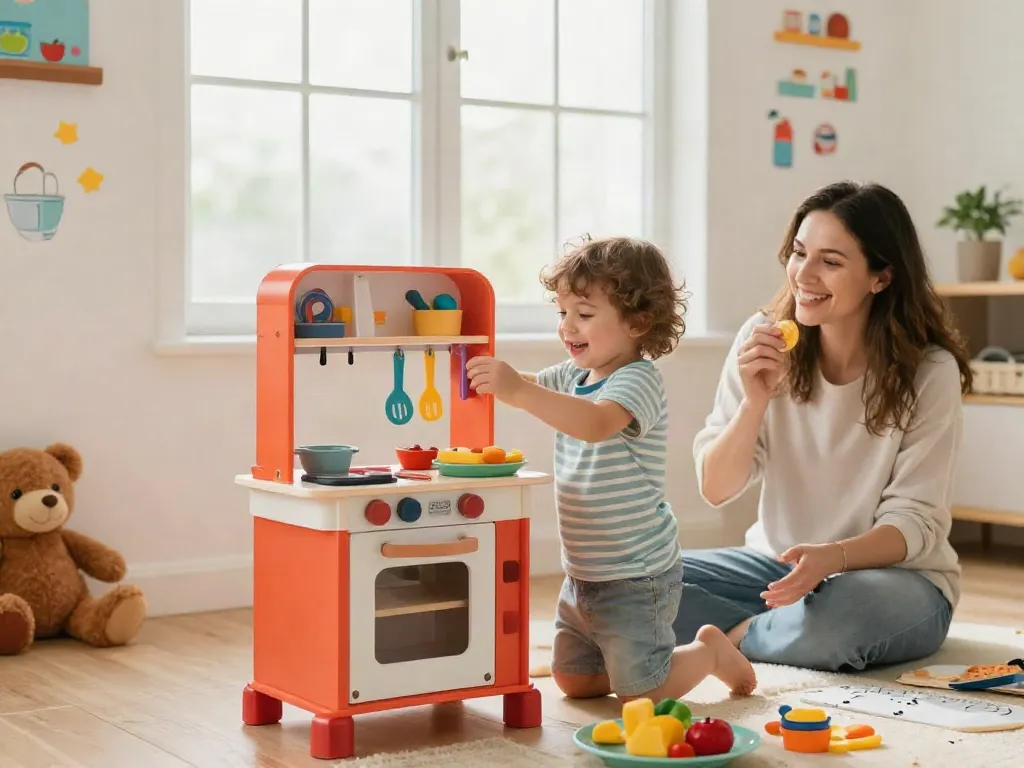
The Importance of Toy Kitchens in Child Development
Toy kitchens have become a cornerstone in children's play, offering more than just entertainment. These miniature culinary spaces provide a dynamic environment for kids to engage in imaginative play, honing various skills that are crucial for their growth. As children mimic the activities of adults, they not only enjoy countless hours of fun but also embark on a journey of learning and exploration. When exploring options, toy kitchen sets can offer valuable insights into the diverse choices available for fostering creativity and social interaction.
How Toy Kitchens Encourage Imaginative Play
Imaginative play is a vital part of childhood, allowing children to experiment with different roles and scenarios. Toy kitchens provide a canvas for this creativity, enabling kids to emulate cooking and restaurant scenarios. By creating these narratives, children can explore complex themes, negotiate roles, and understand social dynamics.
For example, a child may decide to be a chef, a waiter, or even a customer, allowing them to step into various characters and experiences. This role-playing enhances their ability to empathise and communicate, as they express their ideas through the characters they embody.
Social Skills and Cooperation through Shared Play
Playing with toy kitchens is often a social activity, promoting teamwork and cooperation. When children engage in cooking together, they learn to share resources and collaborate to achieve common goals, such as preparing a meal or hosting a tea party. These interactions foster important social skills, including negotiation, patience, and conflict resolution.
Group play can also introduce children to the concept of hospitality, where they learn to serve and take care of others, thus nurturing their sense of responsibility and empathy.
Enhancing Cognitive Development with Pretend Cooking
Engagement with toy kitchens goes beyond social play; it significantly contributes to cognitive development. As children 'prepare' meals, they learn about sequences, cause and effect, and basic mathematics through measuring and counting ingredients. Problem-solving skills are also exercised when they encounter imaginary cooking mishaps, needing to think quickly to 'fix' their dishes.
Types of Toy Kitchens Available in 2026
The market for toy kitchens has evolved remarkably, with various styles and functionalities catering to different preferences and needs. Parents today have the benefit of choosing from an array of designs that suit their children's play styles and their homes.
Wooden vs Plastic: Pros and Cons of Each Material
When it comes to choosing the right material, wooden and plastic toy kitchens each have their unique advantages. Wooden kitchens are often praised for their durability and aesthetic appeal, offering a timeless charm that can complement home decor. Additionally, they tend to be more eco-friendly, made from sustainable resources.
On the other hand, plastic kitchens are typically lighter and easier to clean, making them suitable for younger children. They often come with interactive features like lights and sounds, which can enhance the play experience. Understanding the characteristics of both materials can help parents make informed decisions based on their child's age and play habits.
Interactive Features: Lights, Sounds, and Technology Integration
Modern toy kitchens often incorporate interactive elements that bring the experience to life. Features such as lights, sounds, and even connectivity to apps can make play more engaging. For instance, some kitchens may simulate sizzling sounds when a 'pan' is placed on a 'stove,' enhancing realism and encouraging imaginative cooking scenarios.
Moreover, technology-enhanced kitchens can introduce educational components, teaching children about nutrition and cooking techniques through interactive play. These advancements cater to the tech-savvy generation, ensuring that play remains relevant and appealing.
Design Variations: From Classic to Modern Aesthetics
The design of toy kitchens varies widely, ranging from classic, vintage-style wooden models to sleek, modern plastic creations. Classic kitchens often feature traditional colours and designs, appealing to nostalgic parents. In contrast, modern styles may incorporate minimalist designs with vibrant colours, appealing to contemporary tastes.
Choosing the right design can also depend on the child's personal preferences and the aesthetic of the home environment. This ensures that the toy kitchen fits seamlessly into the family's living space.
Choosing the Right Toy Kitchen for Your Child
With so many options available, selecting the perfect toy kitchen requires careful consideration of various factors to ensure it meets your child's needs and safety standards.
Age Appropriateness and Safety Considerations
It is essential to select a toy kitchen that aligns with your child's age group. Many manufacturers provide age recommendations to guide parents. Safety should also be a priority—look for kitchens made of non-toxic materials that comply with safety standards. Sharp edges and small detachable parts that pose choking hazards should be avoided to ensure a secure play environment.
Budgeting for Quality: What to Look For
Quality should never be compromised when purchasing a toy kitchen. Check for durability, stability, and the quality of the materials used. Investing in a high-quality kitchen might have a higher upfront cost but can result in longer-lasting play and greater developmental benefits. Consider whether the kitchen includes accessories like pots, pans, and utensils, as these can enhance play opportunities.
Space Requirements: Fitting in Your Home
Before making a purchase, assess the available space in your home. Toy kitchens come in various sizes, and it’s crucial to choose one that fits comfortably without overcrowding the play area. Some kitchens are compact and designed for smaller spaces, making them ideal for flats or limited areas.
Engaging Activities Using Toy Kitchens
Once you have selected the perfect toy kitchen, it is time to maximise its potential with engaging activities that further enhance your child's play experience.
Creative Cooking Games to Spark Imagination
Encouraging children to create their recipes or host their cooking show can significantly boost their imagination. They might pretend to run a restaurant, taking orders and serving imaginary customers. This type of role-playing nurtures creativity and provides a platform for storytelling, allowing children to express their unique ideas.
Hosting a Play Kitchen Party: Tips and Ideas
Play kitchen parties can be an excellent way to foster social skills while having fun. Parents can organise themed parties where children can take turns being chefs and customers. Recipes can be simplified, and kids can engage in cooking tasks while learning about teamwork and sharing.
To enhance the experience, consider making invitations, decorations, and even food-themed crafts that tie into the party's theme. This holistic approach to play provides a rich learning environment.
DIY Accessories to Enhance Kitchen Play
Creating DIY accessories can add a personal touch to a toy kitchen. Parents can involve their children in crafting food items out of felt or cardboard, which enhances creativity while offering additional play options. Simple projects can include making faux fruits and vegetables or creating utensils from recyclable materials.
Future Trends in Toy Kitchens for 2026 and Beyond
The toy kitchen industry is poised for exciting developments as trends evolve with changing consumer preferences and advancements in technology.
Eco-Friendly Materials and Sustainable Production
With growing awareness surrounding environmental issues, many manufacturers are focusing on eco-friendly materials. Expect to see an increase in kitchens made from sustainable resources, ensuring that playtime is both fun and responsible. Sustainable production practices are becoming a key selling point for parents who want to support environmentally friendly products.
Tech Integration: Smart Kitchens for Kids
As technology continues to permeate every aspect of life, toy kitchens are no exception. Future designs may incorporate interactive screens and smart technology, enabling children to learn recipes or nutrition facts via their playsets. This integration can facilitate a more educational experience while maintaining playfulness.
Market Predictions and Popular Features for 2027
As we look to the future, certain features are expected to gain popularity, including modular designs that allow children to customise their kitchens. This could mean kitchens that can be expanded or rearranged to create different settings. Additionally, the incorporation of augmented reality (AR) could provide interactive cooking experiences that blend the physical and digital worlds.
What Features Make Toy Kitchens Safer?
In response to consumer demands, manufacturers are increasingly prioritising safety in toy kitchen designs. Features such as rounded edges, secure assembly, and non-toxic materials are essential. Regular safety testing is becoming standard, ensuring that toys meet rigorous safety standards to prevent accidents during play.
Can Toy Kitchens Help with Language Development?
Yes, engaging with toy kitchens can promote language development. As children describe their cooking processes or explain their roles, they practice vocabulary and storytelling. Additionally, playing with peers encourages conversation and enhances communication skills, making the play experience multifaceted in its benefits.
What are the Best Accessories for Toy Kitchens?
Accessories such as pots, pans, utensils, and food items can significantly enrich the play experience. Look for sets that offer a variety of items, enabling children to explore diverse cooking experiences. Incorporating different cooking tools can also encourage problem-solving as they navigate the different functions of each accessory.
Are Wooden Toy Kitchens More Durable Than Plastic?
Generally, wooden toy kitchens tend to be more durable than their plastic counterparts. They withstand wear and tear better and often last through multiple children and years of play. However, it’s essential to consider the quality of both wood and plastic; high-quality plastic options can also offer excellent durability.
How to Maintain and Clean Toy Kitchens?
Maintaining toy kitchens is crucial for longevity. Regular cleaning with mild soapy water and avoiding harsh chemicals extends the life of both wooden and plastic kitchens. It’s essential to ensure that any food items or accessories are cleaned frequently, especially if they are used for real play food during pretend cooking scenarios.
What Skills Can Children Learn from Pretend Cooking?
Through pretend cooking, children develop numerous skills, including fine motor skills from manipulating kitchen tools, cognitive skills as they follow recipes, and social skills through interaction with peers. The all-encompassing nature of play encourages holistic development, making toy kitchens a vital component of childhood learning.